
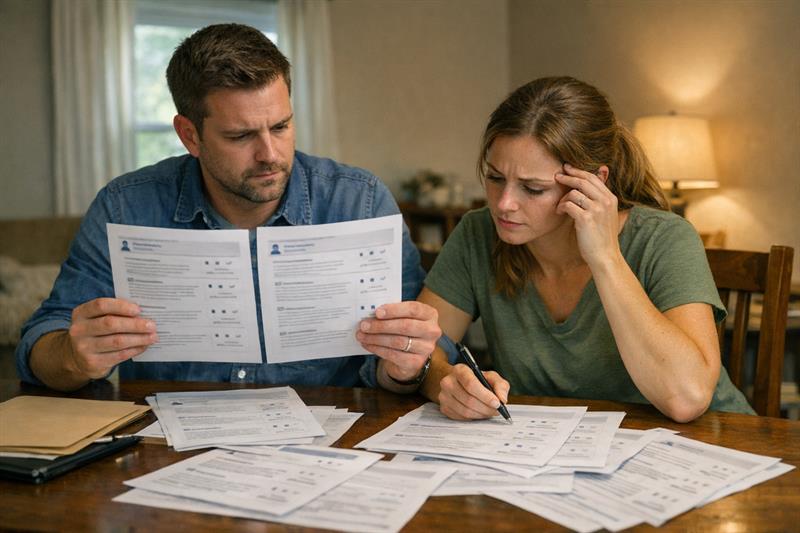
Quick Answer: Choosing the right Christian counselor in Orlando comes down to three things: verified credentials, a clear approach to integrating faith, and a strong personal fit. Many people choose based only on location or a “Christian” label, which can lead to mismatched expectations and limited progress.
Introduction
Finding a counselor should feel straightforward, but it rarely does. Orlando has many options, and many describe their services in similar ways, which makes it hard to tell what actually sets one apart.
This is often where confusion starts. “Christian counseling” is not a single, consistent model. Without a clear way to compare approaches, people may choose quickly and later realize the process does not match what they expected.
Why Choosing the Right Counselor Matters More Than You Think
The effectiveness of counseling depends on more than showing up. It is shaped by how well the counselor’s approach aligns with your needs, communication style, and expectations.
Shared beliefs can create initial comfort, but they do not automatically lead to meaningful progress. When style or expectations are misaligned, sessions can feel unclear or unproductive.
The Cost of a Poor Fit
A poor fit often shows up as conversations that feel repetitive, vague, or emotionally disconnected. You may leave sessions without a clear sense of direction or next steps.
When that happens, progress can stall. Without clarity and trust, people often disengage or stop attending, which makes it harder to build momentum.
Why Faith Alignment Alone Isn’t Enough
Christian counselors differ in how they apply faith. Some reference spiritual themes occasionally, while others integrate biblical principles more directly into the counseling process.
Many people choose based on shared beliefs without first understanding how those beliefs shape the work. That gap can lead to frustration when sessions do not align with expectations.
For a closer look at how faith is applied in counseling, see how faith-based counseling supports emotional healing.
What “Christian Counseling” Really Means (And Why It Varies)
The term “Christian counseling” covers a range of approaches. Understanding those differences can help you avoid choosing a provider whose methods do not match what you are looking for.
Licensed Therapy vs Pastoral Counseling
Licensed counselors are trained in established therapeutic methods and work within professional licensing standards. Pastoral counseling is typically offered through churches and tends to focus more on spiritual guidance.
This distinction matters. When concerns involve ongoing emotional struggles, relationship patterns, or past trauma, clinical training can provide structure that pastoral support alone may not offer.
Levels of Biblical Integration
Some counselors take a faith-informed approach, where spirituality is welcomed but not central to every session. Others integrate biblical principles more directly into how they guide conversations, decisions, and growth.
This is where misunderstandings often happen. Without a clear explanation, people may assume a level of faith integration that is not actually part of the process.
Questions to Clarify Their Approach
Before committing, ask how faith is used in sessions and how the counselor structures the work. Clear answers up front can prevent confusion later.
For additional perspective, review what Christian counseling involves in real-life situations.
7 Key Factors to Consider When Choosing a Christian Counselor
A clear framework makes the decision more practical. These factors often shape whether counseling feels focused and productive.
1. Credentials and Licensure
Look for licensed professionals such as LMHCs or LCSWs. This shows formal training and accountability in how counseling services are provided.
2. Experience With Your Specific Concern
Counselors often focus on specific areas like anxiety, relationships, grief, or trauma. Relevant experience can lead to more focused support.
3. Approach to Integrating Faith
Ask how faith is incorporated into sessions. The answer should be clear and specific, not vague or assumed.
4. Counseling Style and Personality Fit
Some counselors are structured and directive, while others are more reflective. If the style does not match how you process, sessions may feel less helpful.
5. Availability and Logistics
Location, scheduling, and virtual options affect consistency. In areas like Orlando and Oviedo, practical access often plays a big role in whether counseling remains sustainable.
6. Comfort and Emotional Safety
You should feel heard and respected. If that sense of safety is missing early, it often becomes an ongoing barrier.
7. Clarity in Communication
A strong counselor explains the process, goals, and expectations in a way that makes sense. When communication is unclear, it is harder to build confidence in the work.
If you need more clarity before choosing, reviewing a provider’s Christian counseling services in Orlando can help you see how these factors are applied in practice.
Questions to Ask Before You Commit
Direct questions can make the decision clearer and reduce the chance of a poor fit.
Faith-Related Questions
- How is faith incorporated into sessions?
- Is Scripture used as part of the process?
Clinical Questions
- What methods or approaches are used?
- How do you evaluate whether counseling is moving in a helpful direction?
Practical Questions
- What does a typical session look like?
- How often are sessions usually scheduled?
Red Flags to Watch For
- Vague answers about faith integration: This can lead to unclear expectations.
- Lack of credentials: This may limit the type of support being offered.
- One-size-fits-all advice: Effective counseling should account for the individual.
- Pressure or promises: A clear process matters more than big assurances.
When these issues are overlooked, the experience can become frustrating and less productive.
Local Considerations When Choosing a Counselor in Orlando
Local context plays a practical role. Orlando includes a wide range of communities, and accessibility can influence consistency over time.
Community and Church Alignment
Faith communities vary across the area. For some people, shared values or familiarity with local church culture can affect comfort and openness during sessions.
Accessibility in Oviedo and Nearby Areas
Travel time and scheduling flexibility can influence whether sessions remain consistent over time.
In-Person vs Online Counseling Options
Virtual counseling offers flexibility, while in-person sessions can feel more personal for some clients. The right choice depends on your needs and preferences.
When It Might Be Time to Switch Counselors
Not every match works. Recognizing that early can help you avoid spending too much time in a process that does not feel productive.
- Sessions feel repetitive or unclear
- There is little sense of forward movement
- The connection feels limited or strained
These patterns can suggest that the approach or fit is not aligned.
Signs You Should Take Action Now
If any of the following feel familiar, moving forward without more clarity can lead to more frustration:
- You have already tried counseling but felt stuck or misunderstood
- You are unsure how faith should be included in therapy
- You feel overwhelmed comparing multiple providers
- You want clarity before committing to ongoing sessions
These are good signs that a more intentional decision process may help.
Conclusion
Choosing a Christian counselor is not just about availability or shared beliefs. The key is alignment. When that is missing, sessions can lose focus and feel less helpful.
Many people begin counseling with good intentions but later realize the approach does not match what they need. By that point, time and energy may already have been spent without much clarity.
A provider who explains their process clearly, integrates faith with intention, and prioritizes fit can create a more focused and productive experience from the start.
ERCounselingServices.com offers a structured, faith-based approach designed to help individuals and couples gain clarity early. Scheduling a consultation is a practical next step if you want to evaluate fit before committing to ongoing sessions.
Key Takeaways
- Christian counseling approaches vary and should be clarified early
- Fit influences the experience as much as credentials
- Clear questions can prevent misalignment
- Red flags can point to potential issues early
- Accessibility affects consistency over time
FAQ Section
What should I look for in a Christian counselor?
Look for a combination of credentials, relevant experience, and a clearly defined approach to integrating faith. Licensed professionals with a clear process often provide more consistency and direction. Reviewing these areas during a consultation can help confirm alignment.
Is Christian counseling different from regular therapy?
Christian counseling combines faith with therapeutic methods. Some approaches include spiritual principles lightly, while others make them more central to the process. Asking how faith is used will help clarify the difference.
How do I know if a counselor is the right fit?
The right fit usually feels clear and constructive. You should feel understood and have a sense of where the counseling process is going. Many providers offer consultations to help you assess this early.
Are all Christian counselors licensed therapists?
No. Some are licensed clinicians, while others provide pastoral guidance. Licensed counselors work within professional standards, which can be especially important when you are looking for a more structured therapeutic approach.
Can I switch counselors if it’s not working?
Yes. If sessions feel unclear or unhelpful, changing counselors can be a practical next step. Many people find a better fit after reassessing what they need.